Built in the same workshop
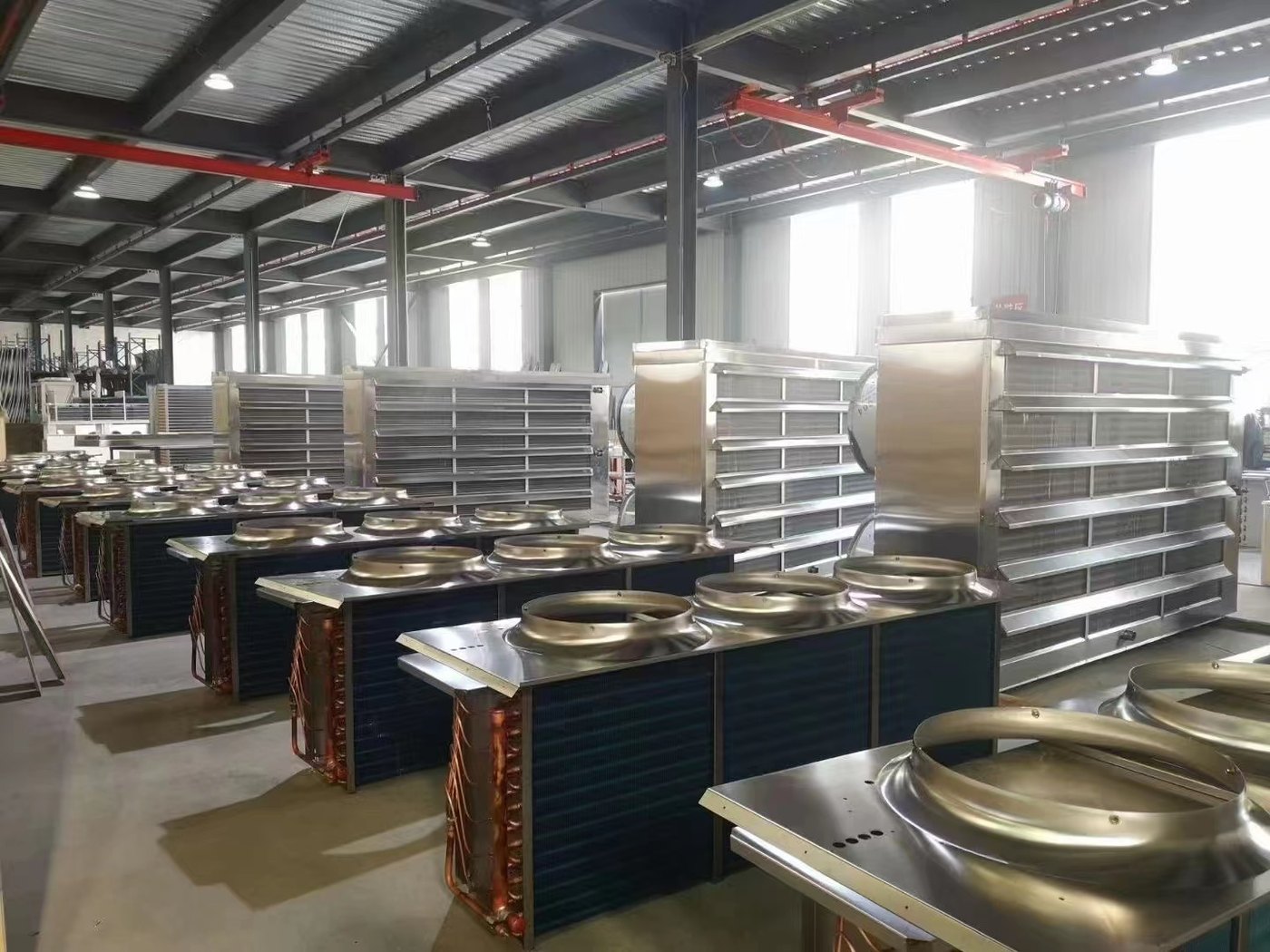
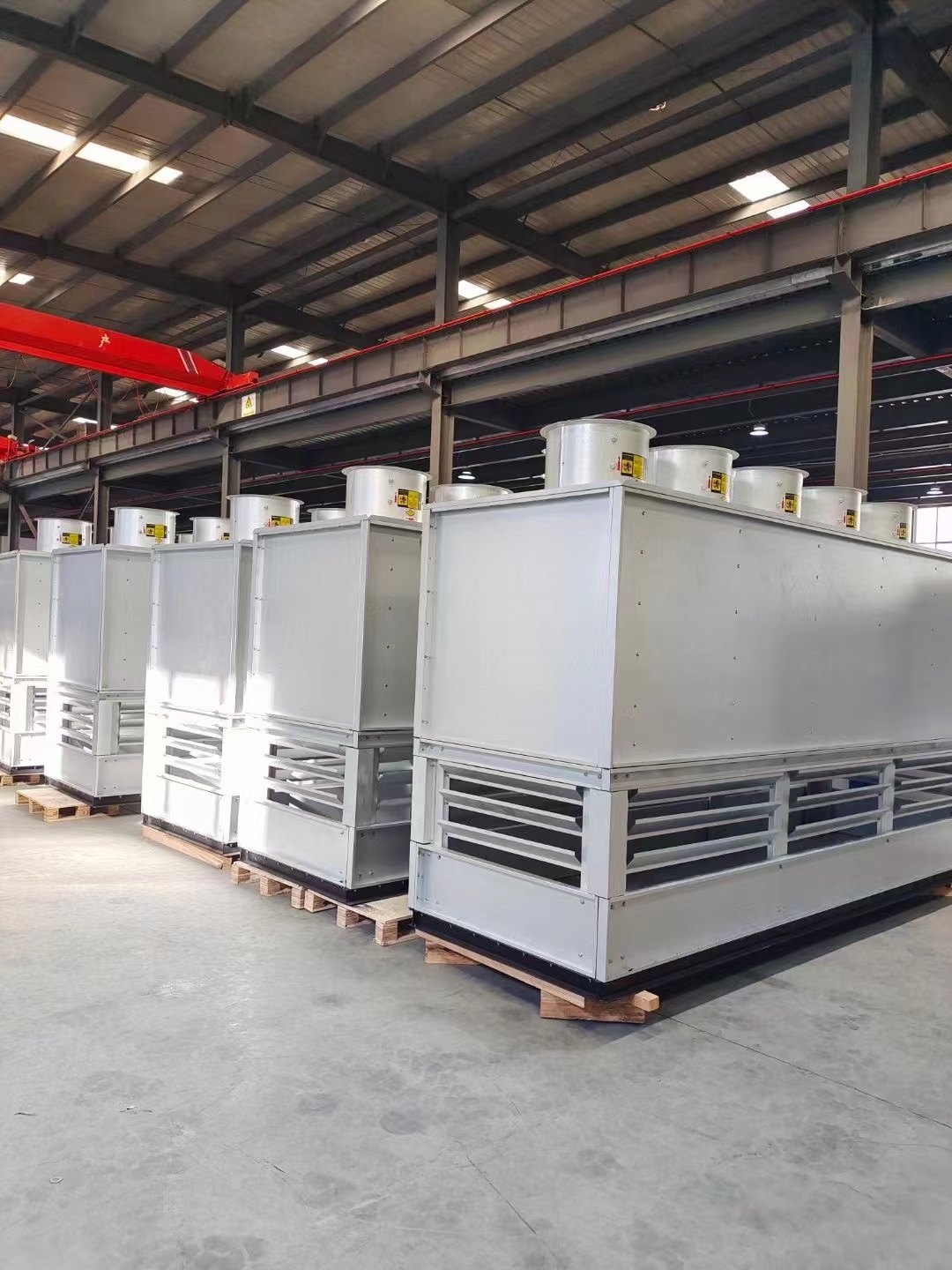
The heat to be rejected is the cooling capacity plus the compressor power. A 100 kW cooling duty at a typical part-load ratio rejects roughly 130 kW, so a condenser selected on the 100 kW figure will run hot in summer.
| Situation | Correction |
|---|---|
| High summer ambient | Select one size up |
| Roof exposure, no shade | One size up, or relocate |
| Walls on all sides, poor airflow | Fix the airflow first, then select |
| Several units side by side | Maintain spacing; avoid hot-air recirculation |
| Low noise required | Large slow-turning fans, reduced speed |
These are selection corrections, not optional extras. A condenser that is short of capacity shows up as high discharge pressure, long pull-down and compressor protection trips.
| Series | Models | Heat rejection | Heat exchange area | Fans |
|---|---|---|---|---|
| SFNH | SFNH33 – SFNH360 | 10 – 105 kW | 33 – 360 m² | 1 – 6 × Ø500 – 630 |
| SFNB (large) | SFNB160 – SFNB400 | 47 – 145 kW | 160 – 400 m² | 2 – 4 × Ø550 – 630 |
Air-cooled condensers are the default for export projects: no water treatment, no cooling tower, no freeze protection in winter. Water-cooled and evaporative types are offered where water and power costs justify them.
 Scan to chat